
Why Sustainable Renovations Matter
More homeowners are looking for ways to improve their living spaces while reducing their environmental impact. Sustainable home improvements focus on creating healthier, longer-lasting interiors through thoughtful material choices, energy-efficient upgrades, and high-quality craftsmanship. Whether you’re updating a single room or tackling a larger renovation project, eco-friendly decisions can benefit both your home and the environment.
Start with Healthier Walls and Ceilings
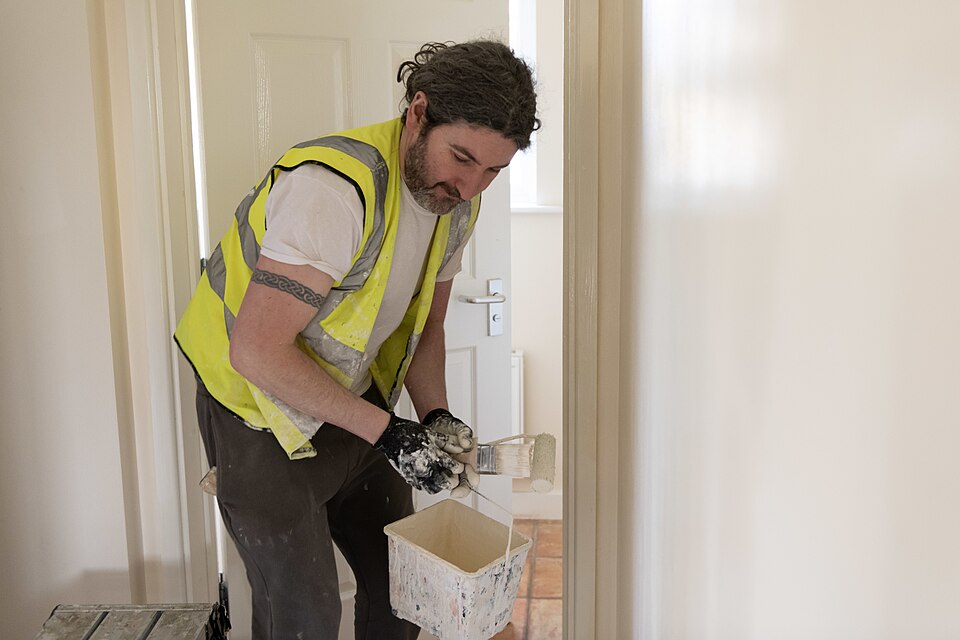
Many older homes feature outdated textured ceilings and wall finishes that may need repair, refinishing, or modernization. When renovating, choosing durable materials and low-VOC (volatile organic compound) products can help create a healthier indoor environment.
Low-VOC paints and finishes reduce the amount of airborne chemicals released into your home, improving indoor air quality for your family. Pairing modern finishes with professional surface preparation also helps ensure long-lasting results, reducing the need for future repairs and unnecessary waste.
Choose Quality Materials That Last
One of the most sustainable choices homeowners can make is investing in quality materials. Durable wall finishes, premium paints, and well-executed craftsmanship extend the life of your renovation and reduce the frequency of replacements.
Rather than following short-lived design trends, consider timeless finishes that will remain attractive and functional for years. Long-lasting improvements not only save money over time but also help minimize construction waste.
Improve Energy Efficiency During Renovations
Home improvement projects provide an excellent opportunity to increase energy efficiency. Light-colored wall finishes can help brighten spaces naturally, reducing the need for artificial lighting during the day.
Homeowners can also consider upgrading insulation, sealing air leaks, and incorporating energy-efficient lighting into their renovation plans. Small improvements made during a remodeling project can contribute to lower energy consumption and long-term savings.
Repurpose and Reuse When Possible
Sustainability does not always require purchasing new materials. Existing furniture, décor, and design elements can often be refreshed and incorporated into an updated interior. Reusing quality items helps reduce landfill waste while maintaining character and personality within the home.
Combining refurbished pieces with updated walls, ceilings, and finishes creates a balanced look that feels both modern and environmentally conscious.
A Better Home for the Future
Eco-friendly renovations are about more than aesthetics. They focus on creating healthier, more efficient, and more durable living spaces. By choosing low-VOC products, investing in quality finishes, improving energy efficiency, and reducing waste, homeowners can enjoy beautiful interiors while making responsible choices for the future.
Thoughtful renovations today can create a more comfortable home and a more sustainable tomorrow.
